Tegra Device Showdown 2024: Finding the Right Hardware for Your Money
Let's be real — the Tegra ecosystem isn't exactly a simple menu. You've got Nintendo Switch variants sitting on store shelves next to aging but capable Android tablets, and somewhere in between there are devices that look great on paper but disappoint in practice. If you're shopping for a Tegra-powered device in 2024, the options are wider than ever, and so is the gap between a smart purchase and a regrettable one.
We've put together this breakdown to help you cut through the noise. No fluff, no affiliate-driven rankings — just straight talk about what each tier of Tegra hardware actually delivers.
Why Tegra Still Matters in 2024
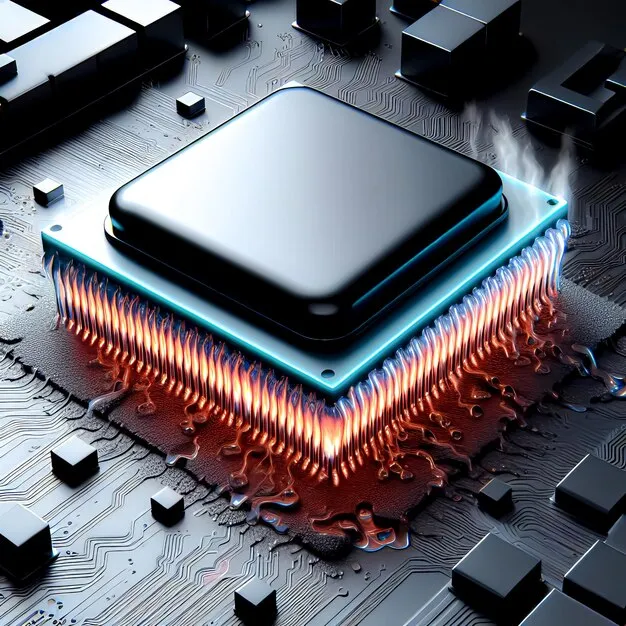
NVIDIA's Tegra line has had an interesting journey. While the chip giant largely stepped back from the broader mobile SoC market, Tegra lives on in a big way through Nintendo's Switch family and a handful of specialized devices. The architecture behind Tegra — particularly its GPU muscle relative to power consumption — makes it uniquely well-suited for portable gaming and media-heavy tasks.
For owners and buyers, that means you're not just buying into a device. You're buying into a platform with real optimization headroom, a passionate modding community, and hardware that punches above its weight when you know how to push it.
The Budget Tier: Original Switch and Switch Lite
If you're working with a tight budget, the original Nintendo Switch and the Switch Lite are still legitimate options in 2024 — especially used. Powered by the Tegra X1 (T210), these devices are showing their age in some respects, but for the price point you can find them at right now, the value proposition is hard to argue with.
Original Switch (used, $150–$200): The hybrid form factor remains one of the cleverest designs in consumer electronics. Dock it to your TV, pull it out for the couch — it just works. Battery life is the weakest link here, hovering around 2.5 to 6.5 hours depending on your game. If you're buying used, check the serial number to see if it's a patched or unpatched unit, since that affects your options down the road.
Switch Lite ($199 new): Dedicated handheld-only mode means no TV output, but you get a lighter device with slightly better battery life. Great for commuters or anyone who genuinely never plays docked. The smaller screen does make some games feel cramped, though.
Best for: Casual gamers, younger players, or anyone dipping their toes into the Nintendo ecosystem without a big upfront investment.
The Mid-Range Sweet Spot: Switch V2 and Switch OLED
This is where most buyers should probably land in 2024. Both devices run on a revised Tegra X1+ (T214) chip, which brings meaningful improvements in battery efficiency without a dramatic jump in raw performance.
Switch V2 ($299 new): Often overlooked, the revised standard Switch delivers noticeably better battery life than the original — up to 9 hours in lighter titles. If you already own a dock and Joy-Cons, hunting down a V2 body is one of the smartest upgrades you can make without spending Switch OLED money.
Switch OLED ($349 new): The screen upgrade here is genuinely impressive. The 7-inch OLED panel makes handheld gaming feel like a different experience — colors pop, blacks are deep, and the larger display makes text-heavy games or JRPGs far more enjoyable. You also get a wider kickstand and a wired LAN port in the dock, which is a quiet but real quality-of-life improvement for anyone who plays online.
Best for: Serious Switch gamers who want the best handheld experience without waiting for whatever Nintendo does next.
The Wildcard Category: Tegra-Powered Android Tablets
This is where things get interesting for the TegraOwners crowd. Devices like the NVIDIA Shield Tablet (older, but still floating around the used market) and various Tegra-based Android tablets occupy a unique space. They're not as polished as Nintendo's ecosystem, but they offer something the Switch family doesn't: flexibility.
NVIDIA Shield Tablet (used, $80–$150): Running a Tegra K1 or X1 depending on the model, these tablets are aging hardware at this point. But for emulation, sideloading, and custom ROM experimentation, they remain community favorites. Don't expect smooth performance in demanding Android games, but for retro emulation and media playback, they're still solid.
Best for: Tinkerers, developers, and power users who want a Tegra device they can actually dig into at the OS level.
The Premium Play: NVIDIA Shield TV
Okay, the Shield TV isn't a handheld — but no Tegra buying guide is complete without mentioning it. The Shield TV Pro, running a Tegra X1+, is arguably the best Android TV device on the market for media enthusiasts and gamers who want big-screen Android gaming without a PC.
Shield TV Pro ($199): With support for 4K HDR, Dolby Vision, Dolby Atmos, and GeForce Now integration, this thing is a media powerhouse. It's also the most capable Tegra device you can buy new right now outside the Switch OLED. If your priority is living room streaming and cloud gaming, nothing else in this price range touches it.
Best for: Home theater enthusiasts, cloud gaming fans, and households that want one device to rule the TV.
How to Decide: A Quick Decision Framework
Still not sure which direction to go? Run through these questions:
- Do you want to play Nintendo exclusives? Switch OLED or Switch V2, full stop.
- Is portability your top priority? Switch Lite if you're budget-conscious, Switch OLED if you want the best screen.
- Do you want to tinker and mod? Look at used Shield Tablets or unpatched original Switch units.
- Is the living room your main gaming space? Shield TV Pro is the move.
- Are you buying for a kid? Used Switch Lite — durable, affordable, and hard to break the bank on.
Final Thoughts
Tegra hardware in 2024 isn't about chasing the newest chip — it's about matching the right device to the right use case. The Switch OLED is a fantastic piece of kit, but it's overkill if you're mostly playing on a TV. The Shield Tablet is ancient by spec-sheet standards, but it's still a playground for anyone who wants real control over their hardware.
Whatever you pick, the TegraOwners community has your back. From optimization guides to troubleshooting threads, there's a wealth of knowledge here to help you get the most out of whichever device ends up in your hands.